

Creating a Harmonious Living Space: Blending Modern and Traditional Styles
- archinteriors2010
- Sep 17, 2025
- 4 min read
Updated: Sep 29, 2025
Creating a harmonious living space that balances modern and traditional styles can be an exciting challenge. The blend of these two aesthetics enhances the beauty of your home and tells a story about your personality and taste. In this blog post, I’ll explore practical tips and real-life examples to help you successfully mix modern and traditional styles in your home.
Understanding the Basics of Design
To effectively mix modern and traditional styles, it's essential to grasp their defining traits.
Modern Design: This style features clean lines, minimalism, and a focus on functionality. It often uses materials such as glass, metal, and concrete, accompanied by a neutral color palette with bold accents. For example, think of a minimalist black sofa paired with geometric-patterned cushions.
Traditional Design: Rooted in history, traditional design is known for its ornate details, rich textures, and classic furnishings. It typically embraces warm colors and intricate patterns. A good example is a wooden dining table adorned with a decorative tablecloth and fine china.
Understanding these core elements will help you identify how to merge them creatively and effectively.
Start with a Neutral Base
One of the easiest ways to harmonize modern and traditional styles is by starting with a neutral color palette.
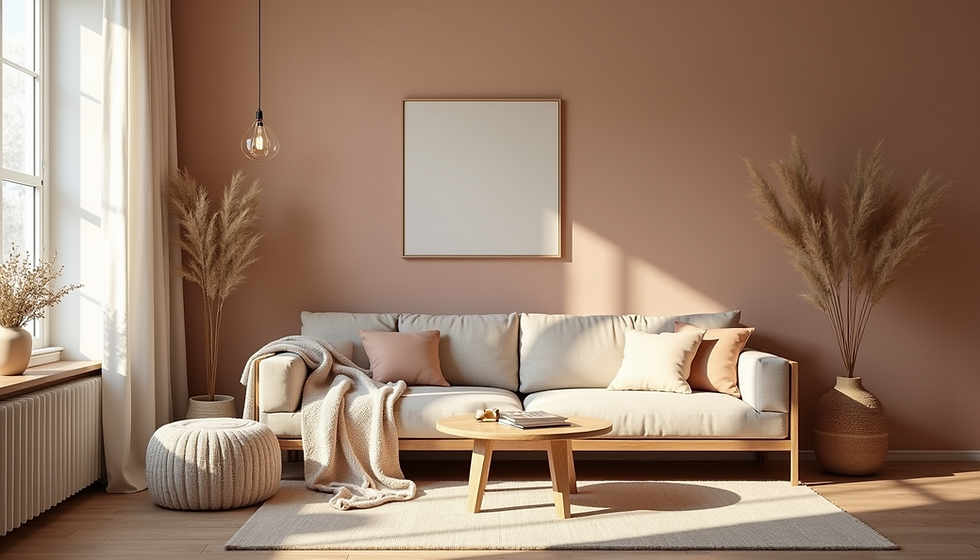
Opt for shades of white, gray, and beige as your foundation. This enables you to introduce both modern and traditional elements seamlessly. For example, choose a sleek, modern sofa in a soft gray and pair it with a rustic wooden coffee table. This combination creates an inviting focal point without overwhelming the senses, achieving a cohesive look.
Choose Statement Pieces
Incorporating statement pieces can bridge the gap between modern and traditional styles effectively.
Imagine hanging a large, contemporary abstract artwork above a classic fireplace or placing a vintage Persian rug under a modern glass dining table. These bold focal points can transform a living space, create conversation starters, and showcase your curated taste. For instance, a striking painting can uplift a room and serve as a centerpiece that ties together the different styles present.
Mix Textures and Materials
Combining various textures and materials is a dynamic method to blend styles.
Consider pairing a plush velvet armchair with a sleek metal side table or a rustic wooden dining table with modern acrylic chairs. This mix not only enhances visual interest but also comforts guests. For example, adding soft throw pillows on a structured armchair can invite relaxation while maintaining a stylish appearance.
Balance Proportions for Harmony
When mixing styles, it’s vital to consider the proportions of your furnishings and decor.
If you have a large, traditional piece like a grand piano, complement it with modern, streamlined furniture that doesn’t compete for attention. For instance, surrounding the piano with simple, contemporary chairs creates a balanced look while allowing both elements to shine. This approach maintains harmony and ensures that each style has its space to thrive.
Incorporate Accessories for Personal Touches
Accessories are an excellent way to infuse both modern and traditional elements into your home without a large-scale commitment.
For example, mix contemporary vases or sculptural pieces with traditional candlesticks or framed vintage prints. Accessories can be easily swapped out or rearranged, enabling you to experiment with different combinations. Consider using a modern table runner with traditional dinnerware for a stunning dining table that reflects both styles.
Create Zones for Distinct Styles
In an open floor plan, consider delineating distinct zones that reflect both styles.
You might establish one area for modern seating with sleek lines and minimalist decor, while another area showcases traditional furnishings with rich fabrics and intricate details. For instance, a modern lounge area with streamlined chairs can seamlessly transition into a cozy reading nook featuring a vintage armchair and well-worn books. This separation allows each style to shine while contributing to an overall connected feel.
Use Lighting Wisely to Enhance Aesthetics
Lighting plays a crucial role in enhancing the blend of styles in your home.
Consider using modern pendant lights or sleek floor lamps in a room filled with traditional furniture. This contrast not only creates a striking visual effect but also helps unify different elements. A sharp, contemporary light fixture hanging above a classic wooden dining table can set the stage for a memorable dining experience.
Don’t Be Afraid to Experiment
Finally, mixing modern and traditional styles is all about experimentation.
Try out different combinations and see what resonates with you. You might find that a modern chair complements a traditional side table perfectly or that a vintage artwork adds the perfect touch to a contemporary room. Embrace the creative process, and allow your personality to come through in your choices.
Create Your Unique Style
Mixing modern and traditional styles in your home can lead to a unique and inviting atmosphere that truly reflects your personal taste.
By starting with a neutral base, selecting statement pieces, mixing textures, balancing proportions, incorporating accessories, creating zones, using lighting wisely, and embracing experimentation, you can achieve a beautifully harmonious blend of these two aesthetics.
Keep in mind that the key to a successful mix is to create a space that feels authentic to you. Enjoy the process, and let your creativity shine!
Remember, the journey of blending styles is as important as the destination. So, take your time and enjoy crafting a home that tells your story.
Eryx Buhle Kosa


Comments